 GigJobs
House cleaning starter kit: what to bring to a cleaning gig
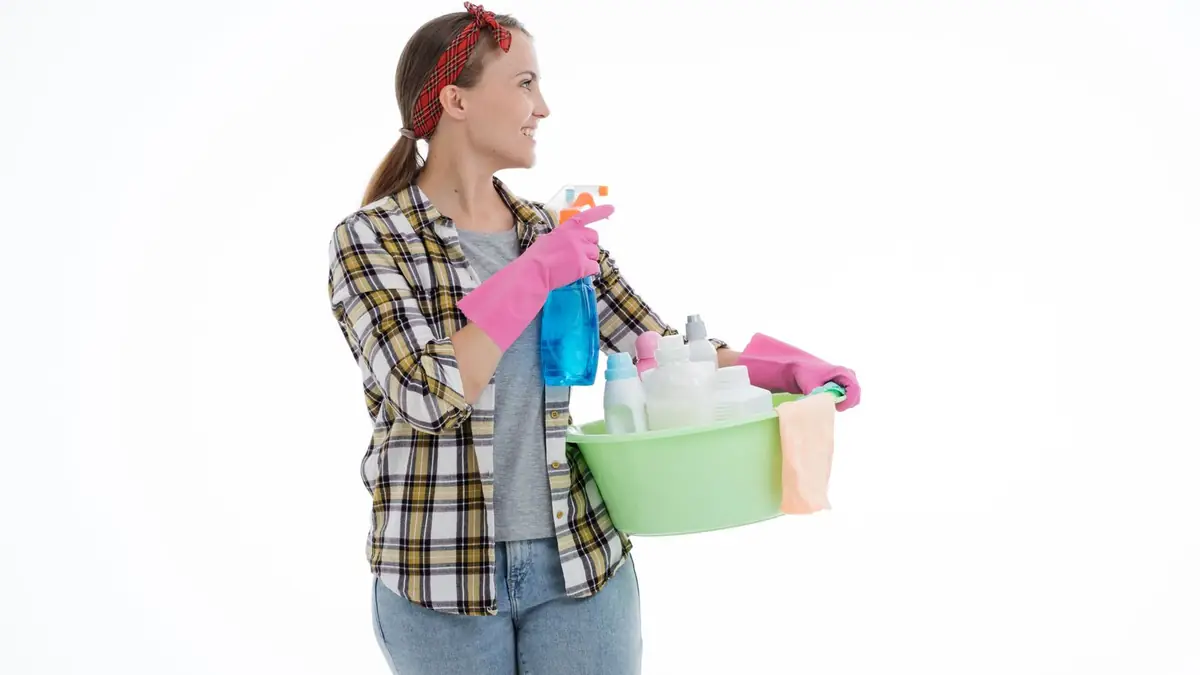
First find out who supplies the products. Some clients want you to use theirs, and some apps expect you to bring your own.
Homeaglow, for example, says its cleaners are encouraged to bring their own supplies, and customers can list their preferences in their cleaning notes.
If you bring your own, keep it simple: a caddy, a stack of microfiber cloths and a few products you know how to use safely. Platform and safety details here were checked November 23, 2026.
On this page
Who supplies what
It depends on the app and the client. Homeaglow says its cleaners are encouraged to bring their own cleaning supplies. It also says customers can ask for specific products or ask the cleaner to use theirs.
Read the job details in your app, and ask the client if anything is unclear. Using the client's products when they ask is part of the job.
Never mix cleaners
The Washington State Department of Health says not to mix bleach with ammonia, acids or other cleaners. Bleach and ammonia make toxic gases called chloramines. Bleach and acids give off chlorine gas.
It also says to always read the product label before you use a cleaning product. If someone has symptoms after breathing a mixture, it says to contact a health care provider or call 911. This is not medical advice.
This matters most when you use a client's products. You may not know what's in an unlabeled bottle, so don't use it.
A basic kit
A caddy keeps everything in one hand as you move room to room. Look for one with dividers that hold your bottles upright.
Microfiber cloths work wet or dry and can be washed and reused. Bring more than you think you need, so you can use clean ones in each room.
Add gloves and the products you already know how to use. You don't need a large set to start.
If a cleaning company hires you as an employee (W-2) and requires gloves or other protective gear, ask whether it provides them. Under OSHA 29 CFR 1910.132(h), employers generally must pay for required protective equipment, with some exceptions, such as everyday clothing. This is not legal advice.
Bring what you already own first. Add to your kit only when a job shows you need something.
What to skip
Skip big kits before your first job. Find out what clients in your area expect first.
Never mix cleaning products. Read every label, and keep each product in its original, labeled bottle. If you aren't sure what's in a product, don't use it.
The picks
We haven't tested these. Product details come from makers or named stores where we could check them. Otherwise we give general buying advice.
- Required: a platform or shift says to bring it.
- Optional: helpful, not required.
- You can skip this: not worth buying first.
Price: $ lower cost, $$ middle, $$$ higher.
We earn a commission if you buy through these links, at no extra cost to you. As an Amazon Associate I earn from qualifying purchases.
Optional
Price: $ (lower cost)
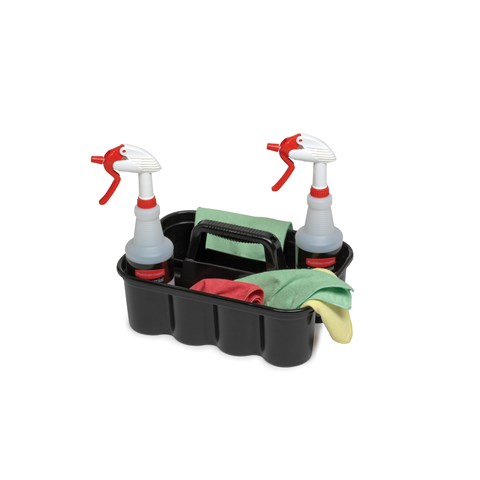
Rubbermaid Commercial Products Deluxe Carry Caddy
A heavy-duty caddy. Rubbermaid Commercial says it holds up to eight 32-ounce spray bottles.
Details from Rubbermaid Commercial, checked November 24, 2026
Optional
Price: $ (lower cost)
Amazon Basics Microfiber Cleaning Cloths
Spare cleaning cloths, if you have to bring your own.
Optional
Price: $ (lower cost)
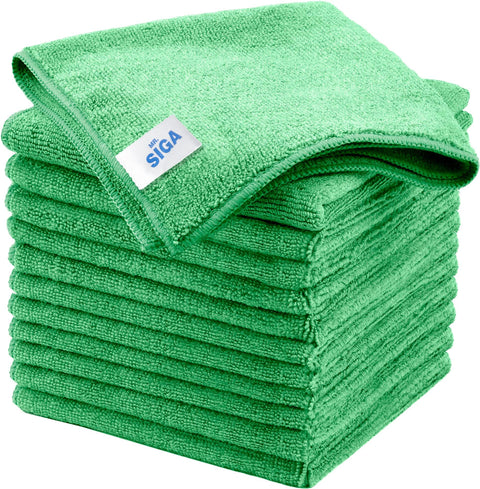
MR.SIGA Microfiber Cleaning Cloths, 12-Pack
A smaller pack. MR.SIGA says each cloth is 12.6 inches square.
Details from MR.SIGA, checked November 24, 2026
Questions people ask
Do house cleaners bring their own supplies?
It depends on the app and the client. Homeaglow says its cleaners are encouraged to bring their own, and customers can state preferences.
What cleaners should never be mixed?
The Washington State Department of Health says never mix bleach with ammonia, acids or other cleaners. Always read the label first.
Sources
- Homeaglow: Will my Homeaglow cleaner bring their own supplies? (opens in a new tab), checked November 23, 2026
- OSHA: 29 CFR 1910.132, personal protective equipment (paragraph h, payment) (opens in a new tab), checked November 23, 2026
- Washington State Department of Health: Bleach mixing dangers (opens in a new tab), checked November 23, 2026